top of page

The issue
Environmental justice asks a direct question: who gets the benefits, and who absorbs the costs? In this case, supporters describe a future-facing investment for Fisk, while critics argue that the surrounding Black community may be asked to absorb noise, energy strain, air pollution, and cumulative health risks without meaningful consent
Potential harms
Cumulative Impacts: The concern is that water use, backup generation, traffic, heat, round-the-clock noise, and energy demand could stack on top of existing inequities in ways that are rarely felt equally across a city.
Community Voice
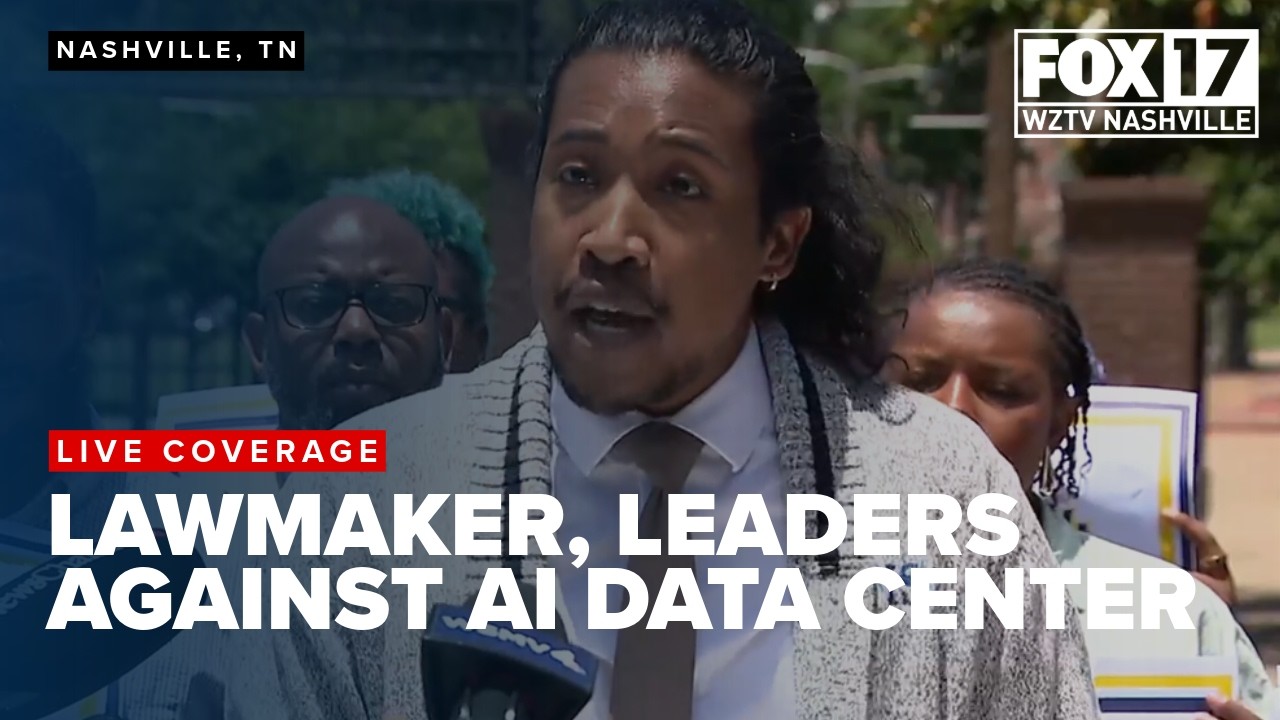
Community leaders, Fisk University alumni against proposed data center on campus
Evidence & recent timeline
May, 2026
Project announced publicly
Fisk Press Release
Fisk University Unveils $1 Billion Master Plan, Launching New Era of Innovation and Sustainability
Axios – Fisk University announces $1B plan to transform campus, build data center
Describes the “Quantum Leap” plan, including a 100,000‑square‑foot data and academic facility and how it would reshape the campus over the next decade.
Construction Review – Fisk University Launches $1 Bn Quantum Leap Plan Anchored by 100,000 sq ft Data Centre in Nashville
Details a $1 billion campus transformation with a 70,000 sq ft data center plus 30,000 sq ft academic center, and notes construction is expected to unfold over the next decade.
Ground News – Fisk University Plans $400M Data and Innovation Center in Nashville
Summarizes the Quantum Leap master plan and notes a 100,000‑square‑foot data and technology center as a key piece of the $900M campus initiative.
YouTube – Fisk University Unveils a Nearly $1 Billion Campus Transformation
Video of the announcement where President Agenia Clark calls it the “Quantum Leap Data Center,” describing a 100,000‑square‑foot facility and a workforce pipeline in zip code 37208.
Early June, 2026
Backlash, protests, and petitions - Petitions gain traction
Alumni, residents and supporters circulated petitions focused on noise, energy use, water demand, and neighborhood impacts.
No Data Center at Fisk
On June 5, 2026, Fisk University alumnus and public health leader, Winston Wright launched the petition 'No Data Center at Fisk' — a call to action that has since united over 12,500 supporters in just ten days.
The Edu Ledger – Fisk University Facing Backlash Over Data Center Proposal
Reports continuing backlash to the data center plan on Fisk’s campus, highlighting environmental justice concerns and criticism from students and community members.
June 10-13, 2026
Public protest and escalating criticism
Community leaders, alumni, and Rep. Justin Jones publicly argued that the project reflects environmental racism and a lack of transparency, while asking for stronger public disclosure and accountability.
The Tennessee Tribune – Fisk University data center sparks protest from Tennessee Rep. Justin Jones
Covers protests against an Innovation Center including a large data center, with concerns over transparency, environmental harm, and demands for a town hall and community benefits agreement.
Nashville Scene – Fisk University Alumni Protest Data Center Plan
Rep. Justin Jones is joined by health experts and community leaders in speaking out against the university’s proposed innovation center
Health Impacts
1
Overall public health risk
Peer‑reviewed analyses show that data centers are not just an infrastructure issue; they are an emerging public health threat, driving premature deaths and multi‑billion‑dollar health damages through pollution and resource strain.
2
Air pollution and respiratory/cardiovascular harm
Evidence from Harvard and other public‑health researchers shows that air pollution from data‑center power demand and diesel backup generators increases asthma, heart disease, and premature deaths in nearby communities.
3
Noise pollution and mental health/learning impacts
Research indicates that data centers can produce chronic noise at levels linked to stress, sleep disruption, and learning problems, which is especially harmful when placed next to classrooms and student housing.
4
Water use, water quality, and infrastructure strain
Studies show that a single large data center can consume millions of gallons of water each day, often from the same potable supplies that nearby residents depend on, intensifying water insecurity and infrastructure strain.
5
Higher electric bills and regressive economic impact
Independent policy research shows that data centers tend to raise electric rates for surrounding communities by driving costly grid upgrades and locking in discounted power deals, with the financial burden falling hardest on low‑income households.
6
Land use, heat, and climate impacts
National analyses show data centers are locking communities into more fossil‑fuel use and heat exposure, with environmental damage estimated at tens of billions of dollars per year.
7
Misaligned local economic benefits
Research from economists and public‑policy experts shows that data centers often deliver limited permanent jobs and rely on large tax breaks, while communities shoulder higher utility costs, health risks, and lost public revenue.
Summary
Environmental justice and siting near Fisk
Given Fisk’s status as a historically Black university and the surrounding community’s existing vulnerabilities, placing a high‑impact data center here raises serious environmental‑justice concerns, echoing national patterns where Black and low‑income communities bear disproportionate pollution and infrastructure burdens.

bottom of page